
Specialist osteopathy and performance treatment focused on posture, movement and recovery
Over 30 years’ experience
At Posture Dynamics, we provide expert osteopathy and performance-focused treatment to help you move better, reduce pain and stay active.
With over 30 years of experience, treatment is tailored to the individual combining hands-on therapy with a clear, structured approach to recovery and long-term performance.
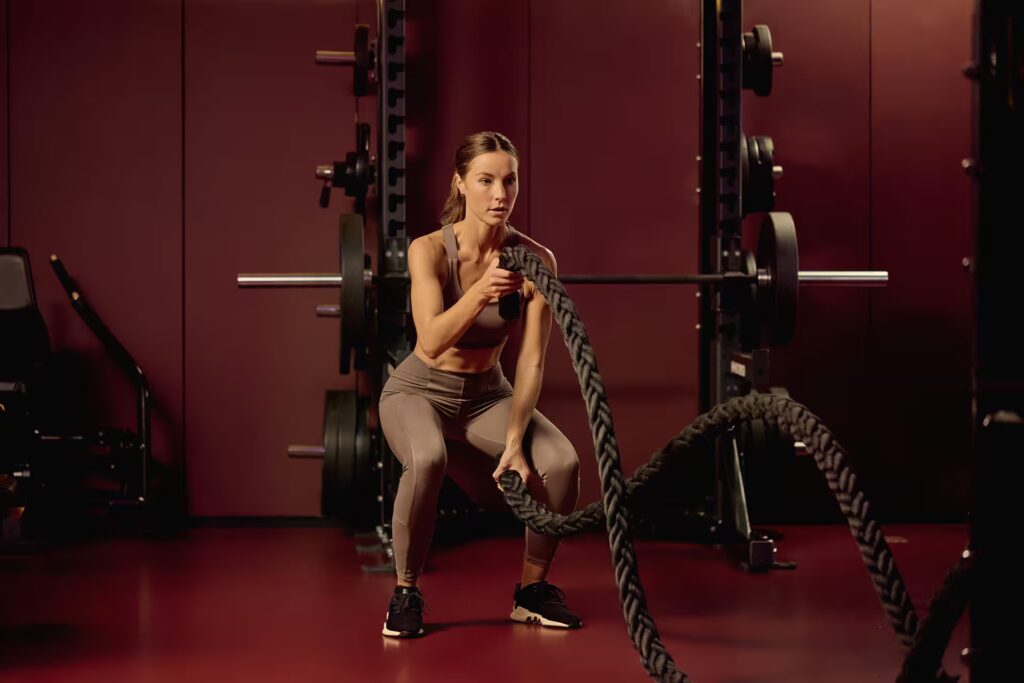
At Posture Dynamics, we provide expert osteopathy and hands-on treatment for a wide range of musculoskeletal conditions, from everyday pain to complex or long-standing injuries.
Treatment is tailored to the individual — focusing on restoring movement, reducing pain, and improving long-term performance.
Posted onTrustindex verifies that the original source of the review is Google. Daren has been fantastic — patient, precise, and incredibly encouraging. I was dealing with a few issues in my back, arm, and ankle, but with regular therapy and sticking to his exercise plan, I’m finally seeing real breakthrough. Highly recommend!Posted onTrustindex verifies that the original source of the review is Google. Came to see Daren for my plantar fasciitis which meant I couldn’t run. Received some great advice and treatment early on and seeing Daren regularly for treatment and using his custom orthotics service meant I am back running and training again for the long term. Strongly recommend him for any osteopath needs.Posted onTrustindex verifies that the original source of the review is Google. Amazing level of care and expert treatment, delivered in a very nice environment. Can’t recommend Daren enough for any osteo needsPosted onTrustindex verifies that the original source of the review is Google. I’m an active Muay Thai fighter and tennis player, among other things. After an overly intense week of training, I developed constant groin pain, particularly in my right leg. Daren came highly recommended by an old friend, and from the first session I could see why. He carried out a thorough assessment of my condition and reviewed my previous treatments, which had brought no real improvement. From there, he put together a tailored fascial rebalancing workout and stretching routine for me to do three times a week, just under an hour each time. Over the course of five sessions spread across three months (including a few delays on my side), the pain steadily reduced until it disappeared completely. I’m now back to training at full intensity and feel right as rain!Posted onTrustindex verifies that the original source of the review is Google. I’ve been seeing both Camilla (cranial osteopathy) and Daren (classic osteopathy) for some health issues, and after just a few sessions, I’ve noticed a huge improvement. They truly have magic hands! No other specialist had been able to help me before, and I’m so grateful. I couldn’t recommend them more highly.Posted onTrustindex verifies that the original source of the review is Google. I’ve seen Camilla for ages now. I’m still staggered by what she’s able to do. She can affect really transformational changes in the body, and can fix conditions that medicines and surgeries can’t touch. Really go with an open mind and you’ll be shocked what’s possible. I went for help with jaw pain, and came out with a fixed flat foot, a fixed pelvis, and an incredible improvement to my sleep and energy levels!Posted onTrustindex verifies that the original source of the review is Google. Daren really helped with my recovery of an MCL injury. He helped assess my progress, gave me time frames for each stage and different exercises and stretches to do along the way to get me back to fitness at a steady pace and have me playing football again sooner than I would’ve expectedPosted onTrustindex verifies that the original source of the review is Google. Daren has a rare talent able to alleviate, unblock and restore the natural state of the body, its movement and its energy flow. I have visited him on a consistent basis for the last 8 or so years. He is a qualified osteopath but there goes so much more than this. My loyalty to him has been such that if at the beginning my sessions were covered by insurance. But after changing providers later on my insurance no longer covers osteo but here I am coming again and again. If there was to be a definition of an essential worker it would be Daren Fletcher at Posture Dynamics.Posted onTrustindex verifies that the original source of the review is Google. I've been travelling Europe for the last 7 weeks. As a result of my travels, it has flaired up an existing disc bulge and caused my back to become very stiff and tight. I was fortunate to be able to pay Darren a visit. He cracked my neck, upper and lower back and performed a complete back reset. Feeling so much better instantly and looking forward to feeling normal and pain free again over the next day or 2. Your expertise and knowledge was much appreciated. Thanks mate. Highly recommendedPosted onTrustindex verifies that the original source of the review is Google. Truly a thoughtful, trained, and effective treatment with Darren. Traveling solo with a back/neck injury is never easy, but people like him make it possible! He takes a gentle yet highly effective approach and is quite careful in discussing any and all focus areas or pain points before beginning with you. He’s detail oriented and calming at the same time. Couldn’t recommend working with him more!Verified by TrustindexTrustindex verified badge is the Universal Symbol of Trust. Only the greatest companies can get the verified badge who has a review score above 4.5, based on customer reviews over the past 12 months. Read more
Get in touch
